
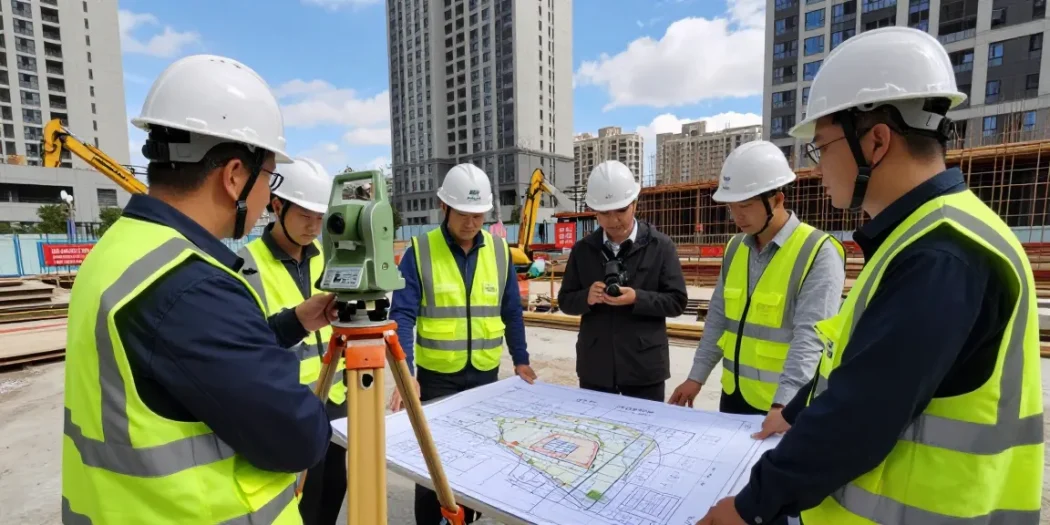
Understanding Topographical Surveys: The Basics
Topographical surveys play a critical role in land development, providing essential information about the land’s physical features that can greatly influence construction and planning decisions. Whether you’re an architect, engineer, or developer, understanding the nuances of topographical surveys is vital for ensuring the success of your projects. At their core, these surveys deliver detailed information about the terrain, including elevations, contours, and existing structures. When exploring options, Topographical surveys provide comprehensive insights that can facilitate better planning and decision-making.
What is a Topographical Survey?
A topographical survey, often referred to as a terrain or land survey, is an intricate mapping process that captures the various features of a parcel of land. This includes not only natural elements like hills, valleys, and bodies of water, but also man-made structures such as buildings, roads, fences, and borders. The outcome is a detailed representation of the land’s features, typically presented in the form of a map or digital model. This data is crucial for architects, engineers, and planners who rely on accurate representations of site conditions to inform their designs.
Key Components of Topographical Surveys
- Elevation Data: Essential for understanding the terrain and designing structures that are safe and functional.
- Contour Lines: Represent changes in elevation, helping to visualise the terrain’s slope.
- Site Amenities: Information about existing utilities, roads, and nearby infrastructures.
- Boundaries: Accurate measurements of property lines and adjacent ownerships.
Common Uses of Topographical Surveys in Construction
Topographical surveys are used across various sectors, notably in construction and land development projects. They support:
- Site Planning: Ensuring that designs align with the existing terrain.
- Flood Risk Assessment: Identifying low-lying areas at risk of flooding.
- Infrastructure Development: Essential for laying out roads, bridges, and drainage systems.
- Environmental Studies: Providing data for assessments related to environmental impact.
Why You Need Topographical Surveys for Your Projects
Engaging a professional surveyor to conduct a topographical survey is not merely a procedural step but a necessary investment that can save time and money in the long run.
Ensuring Accurate Planning and Design
Having accurate and up-to-date data about a site ensures that architectural and engineering designs can be tailored to meet the land’s natural contours. This alignment helps in creating structures and systems that function efficiently according to the local geography.
Identifying Potential Hazards and Constraints
Topographical surveys reveal important data regarding potential hazards such as flood-prone areas or unstable ground conditions. By identifying these issues early on, developers can take appropriate precautions to mitigate risks, ensuring safety during construction and the longevity of the structures built.
Supporting Compliance with Planning Regulations
In many instances, local authorities require a topographical survey as part of the planning application process. The survey demonstrates that proposed developments adhere to local regulations and that they are suitable for the existing land conditions.
The Equipment and Methods Used in Topographical Surveys
Advancements in technology have revolutionised the way topographical surveys are conducted, allowing for increased accuracy and efficiency.
Technological Advancements in Surveying Equipment
Modern topographical surveys utilise a range of sophisticated equipment to achieve the best results. Surveyors employ:
- Total Station Instruments: Combining electronic distance measurement and angle measurement for precision.
- GPS Surveying Equipment (GNSS): Enabling accurate positioning over large areas, particularly beneficial in rural landscapes.
- 3D Laser Scanners (LiDAR): Ideal for capturing millions of data points rapidly, creating detailed 3D models.
- UAVs (Drone Surveys): Drones equipped with cameras enhance access to challenging areas while collecting comprehensive aerial data.
- Digital Level Instruments: Essential for measuring height differences accurately.
The Role of Drones in Modern Topographical Surveys
Unmanned Aerial Vehicles (drones) have become particularly valuable in surveying, enabling surveyors to capture high-resolution images and data from hard-to-reach locations. Their ability to provide aerial perspectives aids in the generation of comprehensive maps and models, which is invaluable for both initial assessments and ongoing monitoring of a site.
Data Collection Techniques: From Total Stations to GNSS
Data collection methods have evolved significantly. Traditional methods, while still effective, are often augmented or replaced by modern technologies such as GNSS and LiDAR. These tools enhance the accuracy of data collection, reduce the time required to complete surveys, and allow for more complex analyses.
Topographical Survey Pricing: What to Expect
The cost of a topographical survey can vary greatly depending on several factors, including the complexity of the site, accessibility, and the specific requirements of the project.
Factors Influencing Survey Costs
- Site Size: Larger properties require more time and resources, potentially increasing cost.
- Site Condition: Difficult terrains or sites with many features may require additional equipment and time.
- Scope of Work: Additional services, such as flood risk assessments or boundary surveys, can add to the total cost.
Typical Price Ranges for Different Sites
As a general guide, costs for residential plots may start from £450 to £750, while larger commercial or infrastructure sites can range from £1,500 and upwards, reflecting the complexity and requirements of the survey.
How to Get a Competitive Quote for Your Survey
When seeking a quote, providing detailed information about your site and the specific needs of your project will ensure the most accurate pricing. Many firms, including our own, offer free online quotes based on these details, with no hidden fees involved.
The Future of Topographical Surveys in 2026 and Beyond
As technology continues to advance, the landscape of topographical surveys is likely to evolve, enhancing the accuracy and efficiency of data collection and analysis.
Emerging Trends in Surveying Technology
Innovations such as augmented reality (AR) and artificial intelligence (AI) are set to transform how survey data is processed and visualised. These technologies promise to improve the accuracy of models and simulations, allowing for better project outcomes.
The Increasing Importance of Environmental Considerations
With growing awareness of environmental issues, the role of topographical surveys in assessing ecological impacts will become increasingly important. Future surveys may focus not only on land measurements but also on the implications of construction on the environment, promoting more sustainable practices.
Preparing for Future Developments in Land Usage
As land usage continues to change with urbanisation and population growth, topographical surveys will be essential in proactively managing these shifts, ensuring that development plans integrate seamlessly with the existing landscape.
What are the benefits of hiring professional surveyors?
Professional surveyors bring a wealth of experience and expertise that ensures the accuracy and reliability of survey data. They are familiar with the latest technologies and methodologies, providing peace of mind that your project is based on solid foundations.
How long does a topographical survey typically take?
The duration of a topographical survey can vary widely based on the size and complexity of the site. Smaller, straightforward sites may be surveyed in a single day, while larger or more intricate locations could take several days to complete.
What types of projects require topographical surveys?
Topographical surveys are essential for a wide variety of projects, from residential developments and commercial buildings to roads and public infrastructure. Any project that involves alterations to land use will benefit from having a detailed understanding of the terrain.
Are there different types of topographical surveys?
Yes, topographical surveys can be tailored to meet specific project needs. For instance, a hydrographic survey focuses on bodies of water, while a boundary survey is concentrated on defining property lines. Understanding the type required is crucial for obtaining relevant data.
How can I ensure the accuracy of a topographical survey?
To ensure accuracy, it is important to work with qualified professionals who use the latest technology and adhere to industry standards. Regular communication and clear specifications can help align expectations and requirements throughout the surveying process.