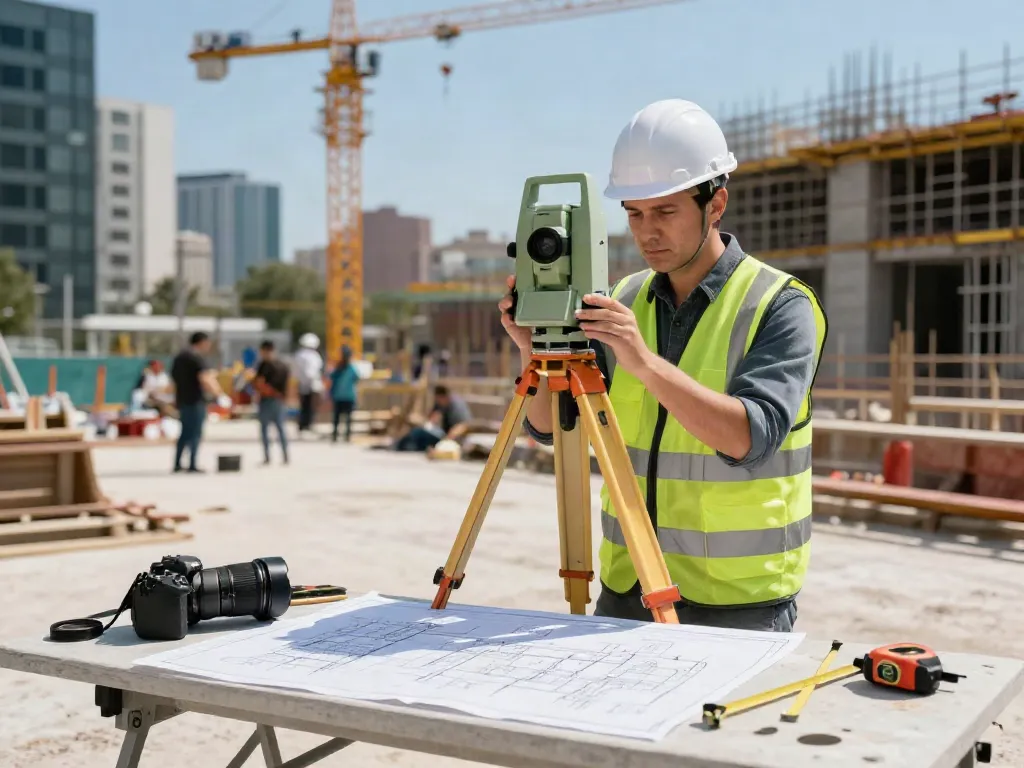
Understanding Measured Surveys: A Complete Guide
Measured surveys are essential tools in the construction and property development sectors, offering precise data about existing structures. These surveys are not only fundamental for architects and builders but also invaluable for property owners seeking to understand their assets better. In London, where the landscape is a patchwork of historical and modern buildings, the role of measured surveyors has never been more critical. Whether you're planning renovations, extensions, or new builds, having a detailed and accurate measured survey is paramount to your project's success. If you're looking for expert insights and reliable survey services, Measured Surveyors London offers comprehensive support tailored to your needs.
Definition and Purpose of Measured Surveys
A measured survey involves the precise measurement of a building's dimensions and features, which are then documented in the form of detailed drawings or CAD models. These surveys serve multiple purposes, including:
- Providing accurate site information for planning and design.
- Facilitating the assessment of renovations and modifications.
- Ensuring compliance with local building regulations.
- Supporting asset management and maintenance planning.
Types of Measured Surveys and Their Applications
Measured surveys fall into several categories, each with specific applications:
- 2D Measured Surveys: These surveys produce flat representations of buildings, including floor plans and elevations. They are useful for basic project outlines and regulatory approvals.
- 3D Measured Surveys: Utilising advanced laser scanning technology, these surveys create three-dimensional models that detail the spatial relationships and dimensions of structures. Ideal for complex projects and detailed renovations.
- Topographical Surveys: These surveys focus on the geography of a site, documenting natural and man-made features that may affect development plans.
Legal Requirements and Standards for Measured Surveys
In London, measured surveys must comply with local laws and industry standards, such as the Royal Institution of Chartered Surveyors (RICS) guidelines. Adhering to these regulations ensures that all measurements are taken accurately and ethically, providing a solid foundation for future construction efforts.
Choosing the Right Measured Surveyor in London
Selecting a qualified measured surveyor is crucial for the success of your project. Given the competitive landscape in London, understanding what to look for can make a significant difference.
Key Qualities to Look for in Measured Surveyors London
When evaluating potential surveyors, consider the following qualities:
- Experience: Look for surveyors with a proven track record in your particular type of project—be it residential, commercial, or industrial.
- Technical Proficiency: Ensure they are proficient in modern surveying technology, such as 3D laser scanning.
- Reputation: Research client reviews and testimonials to gauge their reliability and quality of work.
Questions to Ask Potential Surveyors
Before hiring, pose these essential questions to gauge their suitability:
- What is your experience with projects similar to mine?
- Can you provide references from previous clients?
- What technologies do you employ in your surveying process?
- How long will the survey take to complete?
Evaluating Experience and Credentials
Credentials such as RICS membership can be an indicator of professionalism and adherence to industry standards. Additionally, consider the breadth of their experience—companies that have operated in various sectors can often adapt better to specific project requirements.
Common Challenges in Measured Surveys
Despite the importance of measured surveys, several challenges can arise during the process.
Identifying and Overcoming Surveying Obstacles
Common obstacles include limited access to properties, complex site layouts, and varying site conditions. Proficient surveyors employ strategic planning and advanced technology to navigate these issues effectively.
Managing Project Timelines and Expectations
Clear communication about timelines and deliverables is crucial. Clients should work closely with surveyors to set realistic expectations to avoid delays and misunderstandings.
Communications Between Clients and Surveyors
Open lines of communication are essential throughout the survey process. Regular updates and feedback ensure that both parties remain aligned on objectives and methodologies.
Best Practices for Conducting Measured Surveys
Implementing best practices can significantly enhance the accuracy and efficiency of measured surveys.
Utilising Advanced Technology for Accuracy
Leveraging cutting-edge tools such as 3D scanners, UAVs (drones), and advanced software can improve measurement precision and reduce time on site.
Steps to Prepare for a Successful Survey
Preparation is key. Ensure that surveyors have all necessary property documentation and access to relevant areas. This proactive approach minimizes complications and sets the stage for accurate results.
Interpreting Survey Data Effectively
Once the survey is completed, understanding the data is crucial. Collaborating with architects and engineers can help translate raw measurements into actionable insights for your project.
Future Trends in Measured Surveying: What to Expect in 2026
The field of measured surveying is evolving rapidly, driven by advancements in technology and regulatory changes.
Innovations in Surveying Technology
Emerging technologies, such as artificial intelligence and machine learning, are beginning to revolutionise how data is collected and analysed, enabling quicker and more precise surveys.
Emerging Standards and Regulations
As the industry matures, new standards will likely emerge to address the challenges posed by innovative technologies. Staying abreast of these changes will be critical for surveyors.
The Evolving Role of Measured Surveyors in Projects
Future trends suggest that measured surveyors will take on more strategic roles within project teams, embracing a wider scope of responsibilities that include data management and analysis.
How long does a measured survey take?
The duration of a measured survey can vary based on project complexity and size. Typically, simple surveys can be completed within a day, while more extensive surveys may require weeks.
What are the largest quantity surveying companies in the UK?
Companies such as Turner & Townsend and Currie & Brown are renowned for their quantity surveying services in the UK, often involved in large-scale projects across various sectors.
What is the average cost of a house survey in the UK?
The cost of a house survey can range from £400 to over £1,500, depending on factors like property size, type, and location.
How to know if a surveyor is good?
Look for credentials, client testimonials, and case studies that showcase their past work. A strong portfolio is often indicative of a reliable surveyor.
What factors affect the accuracy of measured surveys?
Accuracy can be influenced by equipment calibration, surveyor experience, and environmental conditions at the site. High-quality, well-maintained technology and skilled personnel are essential for optimal precision.