Understanding Construction Site Security Services
Construction site security is a vital aspect of ensuring the safety and integrity of ongoing projects. Given the substantial investments involved, robust security measures become essential in protecting both the assets and personnel on-site. Engaging with a professional service can significantly minimize the risk of theft, vandalism, and safety breaches. This comprehensive guide will explore the key features of effective construction site security, how these services operate, and the benefits of partnering with local security providers. When exploring options, Construction Site Security experts provide comprehensive insights tailored to your specific needs.
What Are the Key Features of Effective Security?
An effective construction site security service combines various strategies designed to deter crime and ensure safety. Here are some fundamental features:
- 24/7 Surveillance: Continuous monitoring of the site through security personnel and surveillance systems.
- Access Control: Restricting access to authorized personnel only, utilizing ID badges and robust entry systems.
- Patrol Services: Regular patrols that deter trespassers and enhance security visibility.
- Incident Response: Quick and effective response mechanisms in place to address security threats as they arise.
- Risk Assessment: Comprehensive evaluations of site vulnerabilities to implement tailored security measures.
How Security Services Protect Your Construction Projects
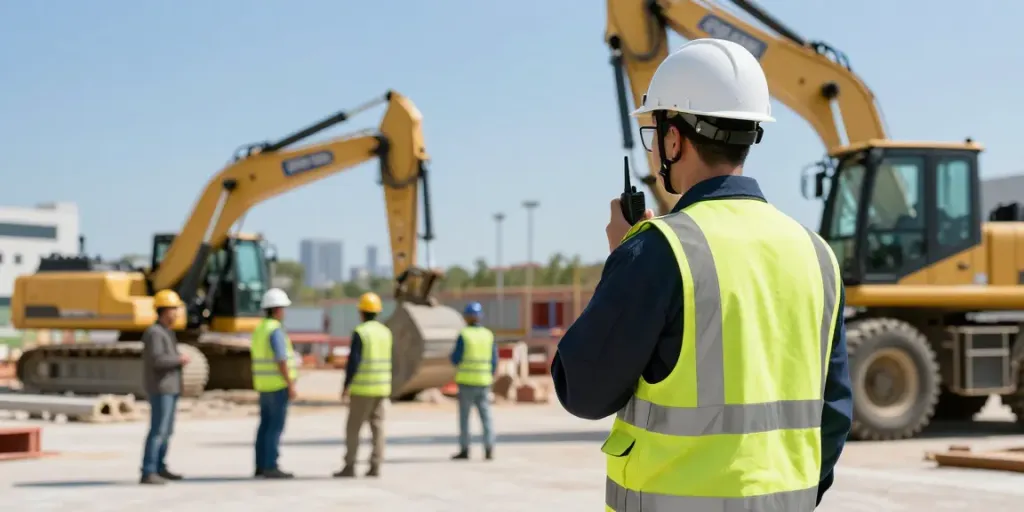
Security services specifically designed for construction sites are multifaceted. They protect against theft by providing trained personnel who can monitor valuable equipment and materials. Additionally, security teams work to ensure compliance with safety regulations, preventing unauthorized access which can lead to accidents and legal liabilities. Through effective communication with project managers, security professionals can adapt their strategies to meet evolving project needs.
Benefits of Hiring Local Security Companies
Opting for a local security provider brings notable advantages. Local companies often have an in-depth understanding of the specific risks in your area, offering tailored solutions that account for regional concerns. Moreover, they can provide quicker response times and are more accessible for consultations and adjustments. This local expertise creates a partnership that strengthens overall project safety and security.
How to Choose the Right Construction Site Security Provider
Choosing the appropriate security provider for your construction site is crucial to ensuring safety and efficiency. Here are several factors to consider:
Factors to Consider When Hiring Security
- Experience and Reputation: Look for firms with a proven track record in construction site security.
- Licensing and Certification: Ensure the company’s personnel are licensed by the Security Industry Authority (SIA), which guarantees compliance with UK standards.
- Range of Services: Evaluate the variety of security options available, such as manned guarding, access control, and surveillance systems.
- Technology Integration: Examine how the company utilizes technology to enhance security performance, including alarms, CCTV, and reporting systems.
Evaluating Credentials and Experience
When assessing potential providers, ask about their specific experiences with construction site security. Companies should be able to demonstrate relevant case studies, highlighting their effectiveness and the challenges they have overcome on similar projects.
Questions to Ask Potential Providers
Before finalizing your decision, consider asking these critical questions:
- What specific security measures do you recommend for my site?
- Can you provide references from similar projects?
- What training do your security personnel receive?
- How do you communicate incidents and updates to project managers?
Construction Site Security Cost Breakdown and Budgeting
Understanding the costs associated with construction site security is crucial for effective budgeting. The following sections provide insights into typical service charges and additional expenses.
Typical Costs for Security Services
The cost of hiring security services can vary considerably based on several factors such as location, service level, and scope of the project. On average, clients may expect to pay between £12 and £25 per hour for basic security services. For specialized services, such as surveillance or high-risk site management, costs can escalate to £35 or more per hour.
Additional Expenses to Consider
In addition to the hourly payment for guards, additional costs may include:
- Equipment Rental: Hiring or purchasing surveillance cameras, alarms, and access control systems.
- Insurance Premiums: Coverage for potential liabilities can be an additional necessary cost.
- Training Programs: Ongoing training for security personnel to keep pace with industry standards.
Cost-Effective Solutions for Small Businesses
For small construction firms, budgeting for security can be daunting. Consider implementing scalable security options that allow for upgrades as projects grow. Coordinating with local security providers can help alleviate costs by leveraging shared resources or personnel for multiple projects.
Licensing and Insurance Requirements for Security Providers
Ensuring that your chosen security company meets regulatory requirements is critical for safeguarding both your project and legal standings. This section will cover the necessary licenses and insurances that legitimize security operations.
Importance of SIA Licensing in the UK
The Security Industry Authority (SIA) is responsible for regulating the private security industry in the UK. Any security personnel operating in a professional capacity must hold a valid SIA license. This ensures they have undergone the necessary background checks and training to provide effective protection.
How Insurance Protects Your Construction Investments
Insurance coverage for security providers is paramount. It offers protection against potential liabilities arising from accidents or damages that occur during service provision. Always request proof of insurance and confirm coverage limits before hiring a company.
What to Verify Before Signing a Contract
Prior to finalizing any agreements, it’s essential to thoroughly review the contract. Ensure it includes:
- Detailed service descriptions and expectations.
- Emergency protocols and incident response procedures.
- Clear termination clauses and conditions for contract renewal.
Customer Reviews and Testimonials: The Key to Finding a Trusted Partner
Client feedback is one of the most reliable indicators of a security provider’s performance. Analyzing reviews can help you discern the trustworthiness and effectiveness of potential partners.
Why Client Feedback Matters
Feedback from previous and current clients offers insights into a company’s reliability, service quality, and problem-solving capabilities. Look for patterns in reviews that indicate both strengths and weaknesses.
Analyzing Reviews for Reliable Information
When evaluating reviews, consider:
- The frequency of positive versus negative feedback.
- Channel credibility—trustworthy sites typically filter fake reviews.
- Specific experiences that relate to your needs, especially regarding construction site security.
Best Practices for Securing Positive Feedback
Encouraging satisfied clients to leave reviews can bolster your reputation. Consider following up after a project’s completion with a simple request for feedback and positive testimonials.
FAQs
What security is needed on a construction site?
Essential security measures include manned guarding, surveillance cameras, and access control systems. Additionally, implementing proper lighting and alarm systems is vital for deterring potential threats.
How much does construction site security cost?
Costs typically range from £12 to £35 per hour depending on the complexity and level of service required.
What does construction site security do?
Construction site security services include protecting assets, monitoring site safety, controlling access, and addressing incidents as they arise.. Additionally, Construction Site Security provides further details.